Hacienda Guachipelin’s Commitment to Animal Welfare and Community Wellbeing in Curubandé
A Hotel Rooted in Its Local Community
Hacienda Guachipelin is known for adventure, nature, and unforgettable experiences near Rincón de la Vieja Volcano. Guests visit to explore waterfalls, hot springs, volcanic landscapes, horseback riding trails, rivers, forests, and the extraordinary natural beauty of Guanacaste.
But the hotel’s connection to this destination goes far beyond the experiences offered to guests and visitors. Hacienda Guachipelin is also part of the rural community of Curubandé, a community with families, schools, neighbors, local traditions, and everyday needs.
For Hacienda Guachipelin, responsible tourism is not limited to environmental protection or memorable guest experiences. It also means caring for the people and places that surround the hotel. It means recognizing community needs, creating partnerships, and helping generate positive impact close to home.
This vision recently inspired an animal welfare initiative in Curubandé, designed to support local families, improve the wellbeing of domestic animals, and contribute to public health in the community.
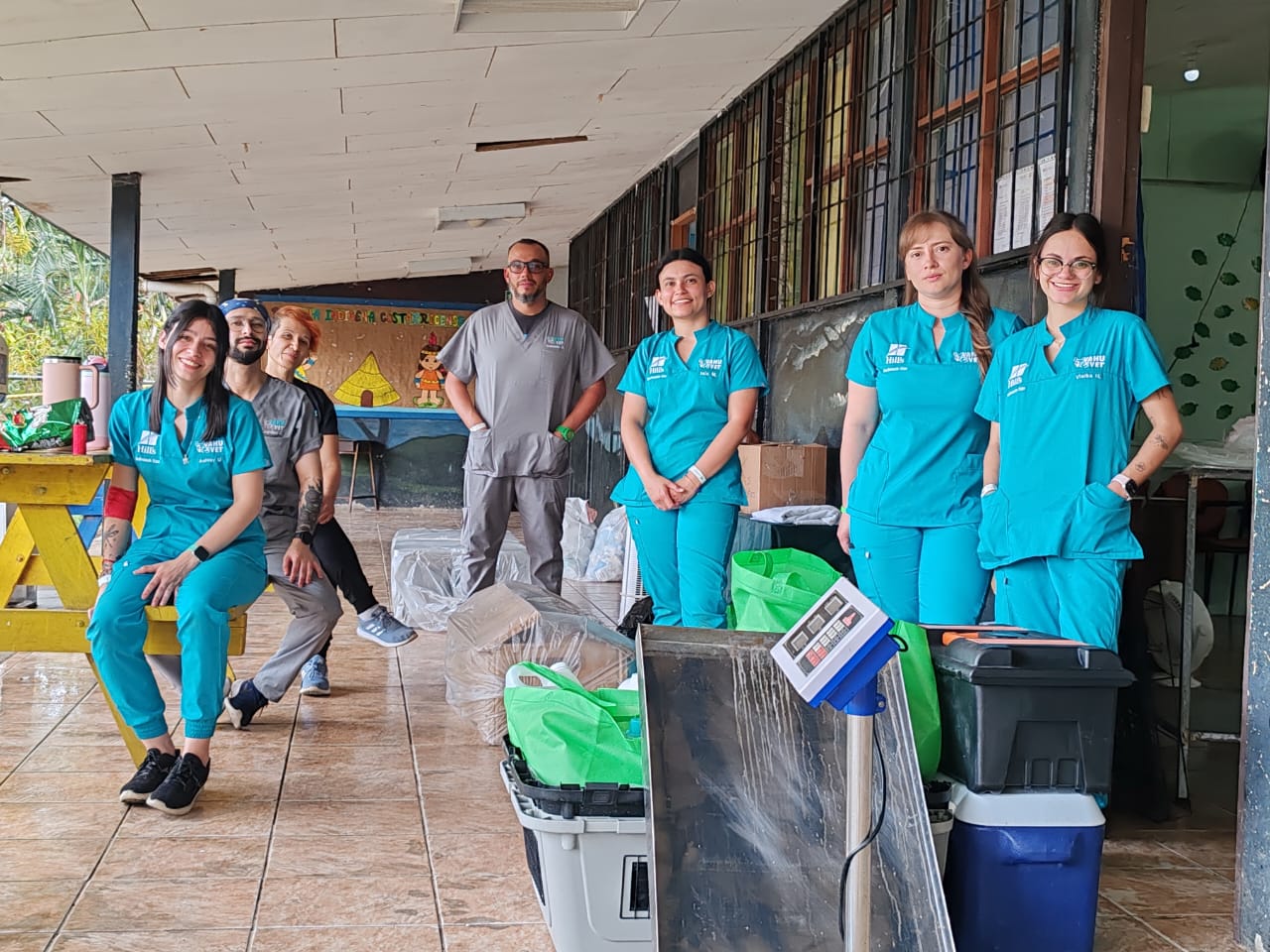
Hacienda Guachipelin animal welfare campaign in Curubandé, Guanacaste
Identifying a Community Need
The initiative began when Hacienda Guachipelin noticed an ever-growing population of dogs and cats in Curubandé. Many of these animals were living without the regular care required to support their health, and the community was also facing challenges related to uncontrolled reproduction.
In rural communities, where many families have limited economic resources, access to veterinary services can be difficult. Even when pet owners care deeply about their animals, the cost and availability of medical attention, castration procedures, medication, and follow-up care can become barriers.
Over time, a growing population of dogs and cats can create challenges for both animals and families. Animals may face health problems, malnutrition, abandonment, untreated illnesses, or difficult reproduction cycles. Families, in turn, may feel overwhelmed by the cost and responsibility of caring for more animals than they can realistically support.
Hacienda Guachipelin saw this not only as an animal welfare concern, but also as a community wellbeing issue. Supporting families in caring for their pets would help reduce pressure on households, improve animal health, and contribute to a healthier environment for Curubandé.
Turning Concern into Action
What began as a concern soon became a concrete community initiative. Hacienda Guachipelin coordinated a pet castration campaign designed to support local families, improve animal wellbeing, and contribute to public health in Curubandé.
The program was carried out at the local school of Curubandé, where the school headmaster generously offered the facilities so the event could take place in an accessible and familiar setting for local families. Holding the campaign at the school helped bring the service closer to the community and made it easier for pet owners to participate.
The castration procedure had a symbolic cost of ₡5,000, making the service more accessible to families who might otherwise find this type of veterinary care difficult to afford. This symbolic contribution also helped reinforce shared responsibility, while keeping the program within reach for the local community.
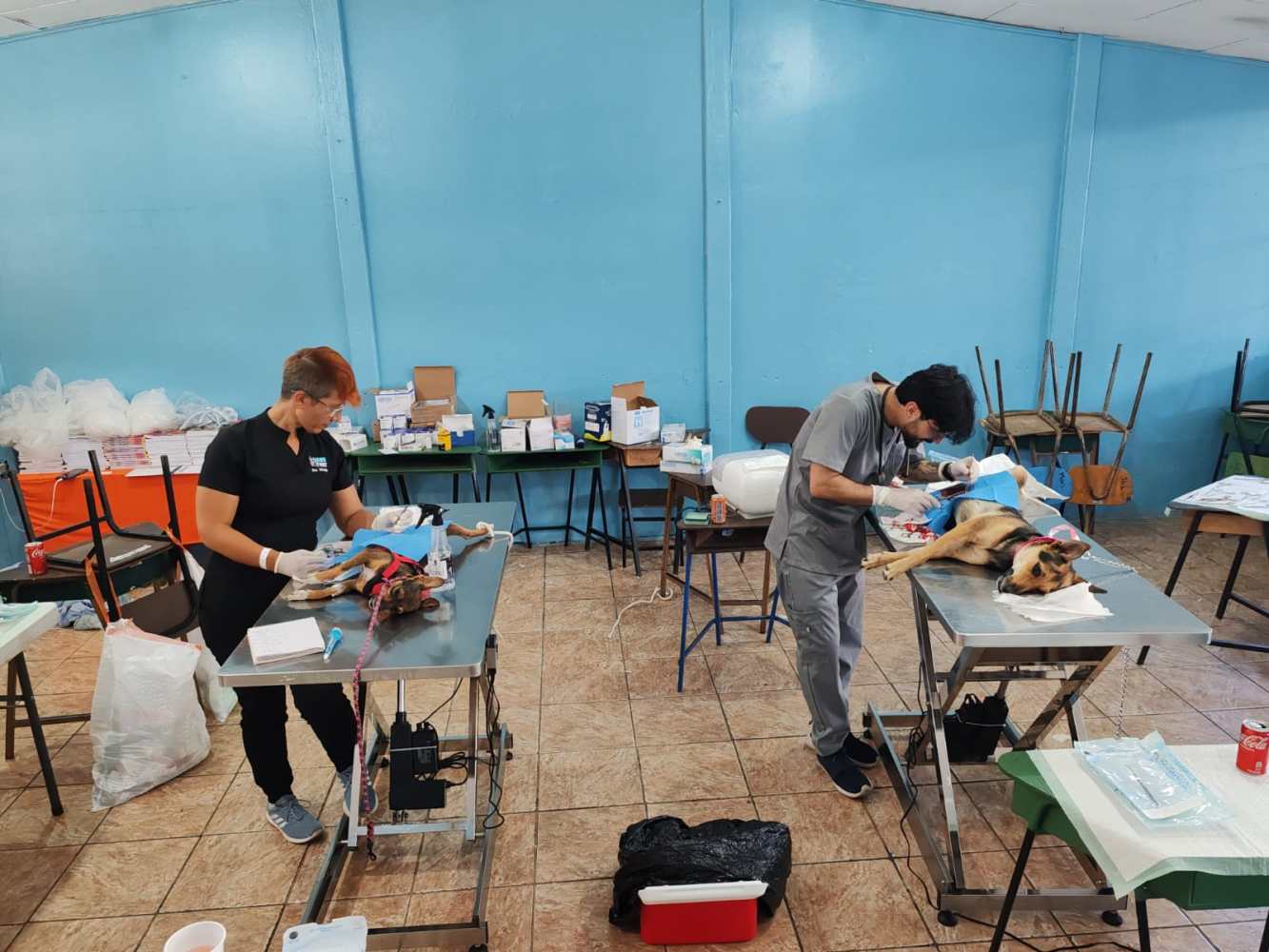
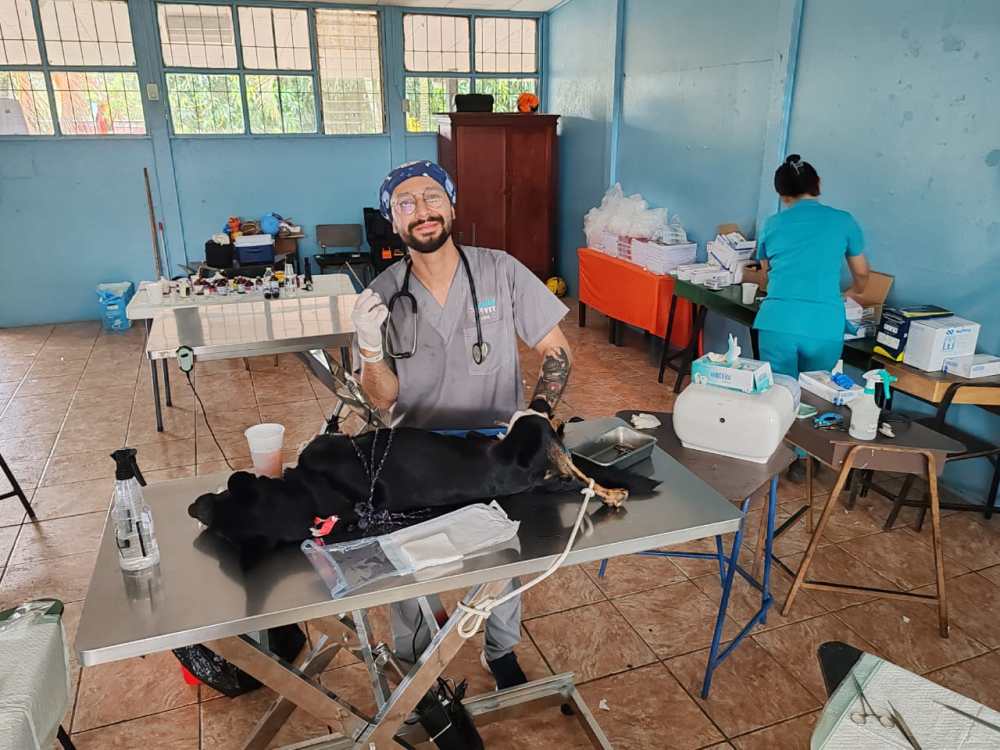
In addition to spaying and neutering dogs and cats, the veterinary team was able to identify further medical issues in some of the animals. In several cases, pets received medication, and their owners were given guidance and basic training on how to continue caring for them at home.
This educational component was especially important. The campaign was not only about a one-time procedure. It also created an opportunity to share practical knowledge with pet owners, helping them better understand their animals’ health needs, warning signs, and basic care.
The goal is for this first campaign to become the beginning of a longer-term effort, with the possibility of organizing a second program in the future to continue supporting local families and their animals.
Hacienda Guachipelin animal welfare campaign in Curubandé, Guanacaste
A Collaborative Animal Welfare Campaign
This initiative was made possible through collaboration. Hacienda Guachipelin coordinated the campaign with the support of Dr. Wendy Villalobos and the Vahu-Vet team, who contributed their professional expertise, materials, and procedures to make the program possible.
The support of the Curubandé School was also essential. By offering its facilities, the school became an important community partner and helped create a trusted space where families could bring their dogs and cats for care.
This type of collaboration reflects the strength of community-based action. A hotel, a veterinary team, a local school, and pet owners came together around a shared purpose: to care for animals, support families, and help address a real need in Curubandé.
At its heart, the campaign showed that positive impact does not always require large-scale projects. Sometimes, meaningful change begins with identifying a local concern, building partnerships, and taking practical action.
Why Pet Castration Matters
Pet castration is one of the most effective ways to support animal welfare and reduce uncontrolled reproduction. When dogs and cats reproduce without adequate care, the result can be unwanted litters, abandoned animals, increased health risks, and greater pressure on families and communities.
Spaying and neutering helps prevent these situations. It can reduce the number of animals born into vulnerable conditions and improve the long-term well-being of pets and their owners. It also contributes to public health by helping manage domestic animal populations in a more responsible and humane way.
In communities with limited access to veterinary services, campaigns like this one can make a meaningful difference. They provide care that may otherwise be unavailable or unaffordable, while also creating space for education, prevention, and responsible pet ownership.
For many families, the campaign offered both immediate support and future relief. Their pets received professional attention, and owners left with more information about how to care for them.
There is also an important conservation dimension. When domestic animals are not properly cared for, they can become undomesticated or feral. This is especially concerning with cats, which can become a threat to local wildlife and birdlife. In the Rincón de la Vieja Volcano region, where the tropical dry forest is home to remarkable biodiversity, protecting birds and small wild animals is part of caring for the larger ecosystem. Responsible pet ownership, including castration, helps reduce the risk of domestic animals becoming part of this environmental problem.
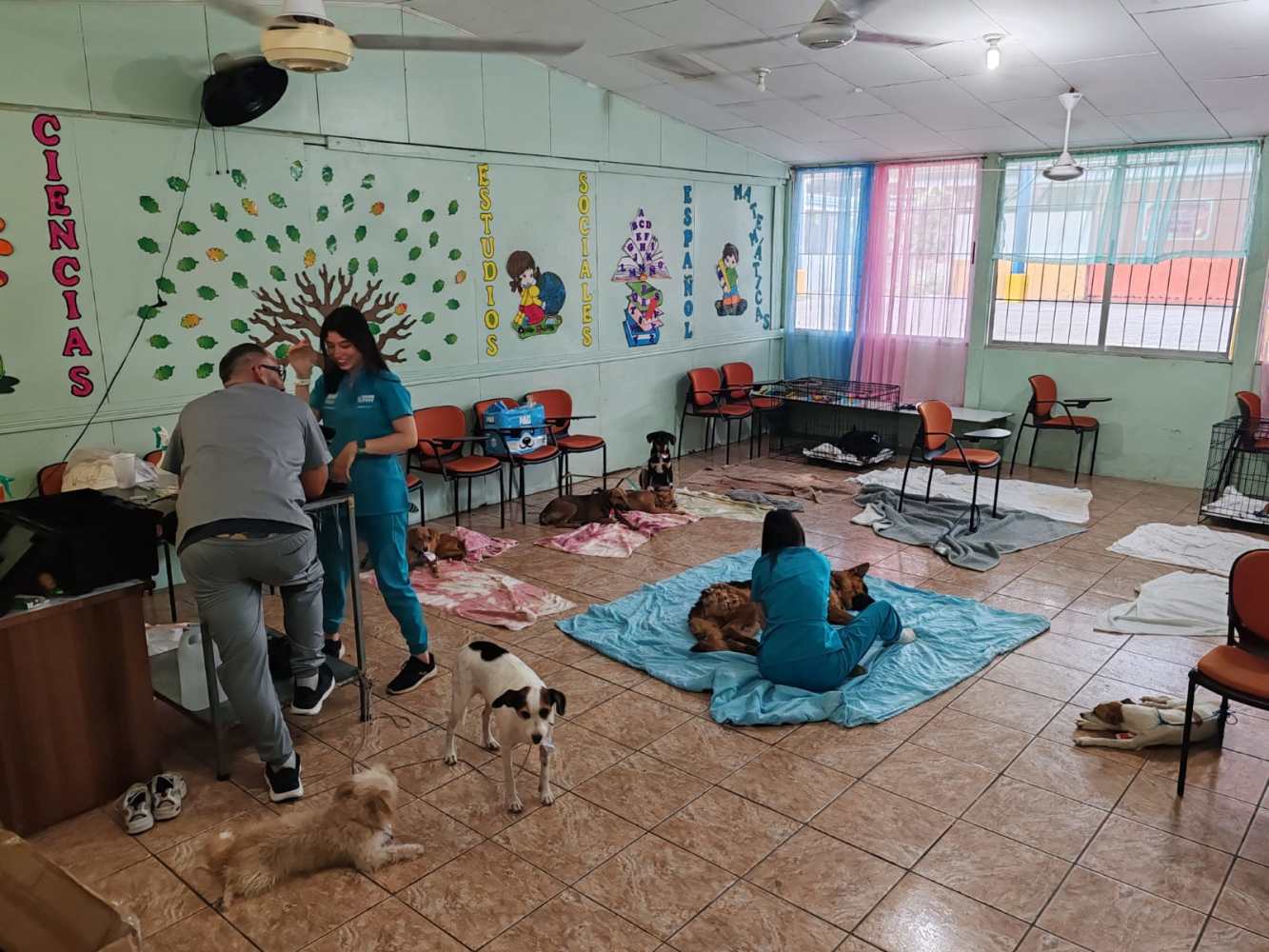
Hacienda Guachipelin animal welfare campaign in Curubandé, Guanacaste
Responsible Tourism Beyond the Guest Experience
Hacienda Guachipelin is widely recognized for adventure tourism in Guanacaste. Visitors come to experience ziplining, horseback riding, waterfalls, volcanic mud baths, hot springs, river tubing, hiking, and the natural wonders surrounding Rincón de la Vieja.
However, responsible tourism is about more than what guests experience during their stay. It is also about how a tourism business relates to its community.
For Hacienda Guachipelin, being part of Curubandé means recognizing that the hotel’s responsibility extends beyond its property and beyond its visitors. The well-being of the surrounding community matters. The lives of local families matter. The health of animals matters. The relationship between tourism and community should be one of respect, support, and shared benefit.
This animal welfare campaign is an example of how tourism can create positive local impact when it is grounded in real community needs. By coordinating with Vahu-Vet, working with the school, and helping make veterinary care more accessible, Hacienda Guachipelin demonstrated that hospitality can also be a platform for service.
Tourism with Purpose in Guanacaste
Guanacaste is one of Costa Rica’s most iconic tourism regions, known for its beaches, volcanoes, dry tropical forest, culture, ranching traditions, and adventure experiences. But behind every destination are local communities that help give the region its identity.
Curubandé is part of the story of Hacienda Guachipelin. It is not simply the community near the hotel; it is part of the social and cultural landscape that surrounds it.
Tourism with purpose recognizes this connection. It understands that a hotel can welcome international guests while also being a good neighbor. It can promote adventure while also supporting wellbeing. It can protect nature while also caring about public health and community life.
The animal welfare campaign reflects this broader vision. It shows how a hotel known for adventure can also be recognized for compassion, responsibility, and community commitment.
Working Together for Positive Impact
Hacienda Guachipelin extends its gratitude to Dr. Wendy Villalobos and the Vahu-Vet team for their valuable support, professional dedication, and contribution to animal welfare in Curubandé. The hotel also recognizes the important collaboration of the Curubandé School and its headmaster, who opened the school’s facilities for the campaign.
Most importantly, the initiative recognizes the families who participated and brought their pets to receive care. Their involvement is essential to creating lasting change and improving animal wellbeing in the community.
The success of this first campaign has opened the possibility of continuing the program in the future. A second campaign would allow the effort to reach more families, care for more animals, and strengthen the positive impact already begun.
Hacienda Guachipelin believes that responsible tourism should create value for guests, visitors, neighbors, families, animals, and the destination as a whole. This initiative is one more step in that direction.
Adventure may bring travelers to Hacienda Guachipelin, but community is part of what gives the destination its heart.
FAQ: Hacienda Guachipelin’s Animal Welfare Initiative
What was the purpose of Hacienda Guachipelin’s animal welfare campaign?
The campaign was created to support animal welfare and community well-being in Curubandé by offering accessible pet castration services, veterinary attention, and basic guidance for local pet owners.
Where did the campaign take place?
The campaign took place at the local school in Curubandé, with the support of the school headmaster, who offered the facilities for the event.
Who supported the initiative?
The campaign was coordinated by Hacienda Guachipelin with the support of Dr. Wendy Villalobos and the Vahu-Vet team, as well as the Curubandé School.
How much did the castration procedure cost?
The procedure had a symbolic cost of ₡5,000, helping make the service more accessible to families in the community.
Why is this initiative part of responsible tourism?
Responsible tourism includes caring for the well-being of local communities. By supporting families, promoting animal welfare, and contributing to public health, Hacienda Guachipelin demonstrates that tourism can create positive impact beyond the guest experience.